Spot changes in production
Dirt, shading, error messages and cooling problems can affect production. Reviewing the data and equipment helps establish whether a change needs attention.
PERFORMANCE, CONDITION AND A CLEAR OVERVIEW
Maintenance helps identify irregularities and keep track of your solar PV system’s condition. We check panels, mounting, the inverter and electrical connections, then explain any issues we find.

MAINTENANCE IS PREVENTIVE WORK
An inverter showing production does not tell you everything about the system’s condition. Maintenance combines a review of production data with a physical inspection.
Dirt, shading, error messages and cooling problems can affect production. Reviewing the data and equipment helps establish whether a change needs attention.
Mounting, cables and connections need a separate inspection. A physical check can reveal damage and wear that a production chart alone cannot explain.
The maintenance report records the work done and any defects found. It helps you plan repairs, track the system’s condition and provide relevant information to the manufacturer when needed.
WHAT DO WE CHECK?
The exact scope depends on your equipment and the work agreed. We start by assessing the system’s condition and follow the manufacturer’s maintenance instructions.
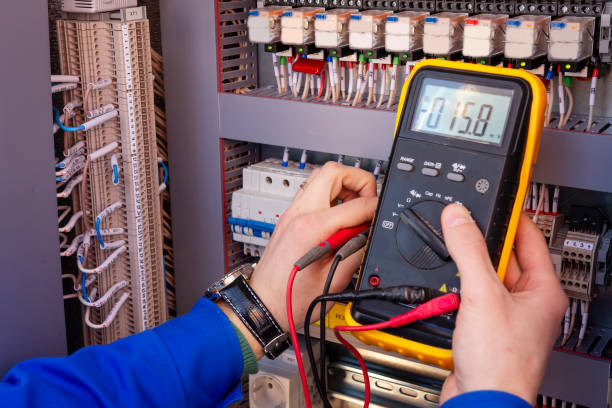
Repairs, spare parts, panel washing and additional investigations are agreed separately when needed. The maintenance quotation specifies which work is included.
Visible condition of panels, frames and mounting, including possible damage. For ground-mounted systems we also consider vegetation and access.
Device messages, visible condition and cleanliness of cooling and ventilation. Cleaning follows the requirements for the particular model.
The condition of cables, connections and protective earthing within the agreed inspection scope. Damage and defects are documented.
Electrical measurements are selected according to the system, manufacturer’s instructions and inspection purpose. Not every test is appropriate for every installation.
We review available production data and error messages, including whether an apparent production issue could instead be a communication problem.
You receive an overview of the inspections and defects found. Additional work and the next maintenance plan are agreed separately.
MAINTENANCE NEEDS VARY
The interval depends on manufacturer guidance, location, environment and previous condition. Dusty surroundings or recurring faults may require more frequent attention.
Review monitoring trends and error messages. Compare similar periods and allow for weather, seasons and possible grid restrictions.
We plan inspections around your system’s needs. Reviewing maintenance needs annually helps keep track of completed work and next steps.
A recurring error, unexpected production change or storm damage is a reason to contact us earlier and assess whether an inspection is needed.
Suitable when you want to assess the system’s current condition or plan its next inspection.
We agree the scope, frequency and notification procedure. Response times and warranty work conditions are defined in the agreement.
WHEN SHOULD YOU CONTACT US?
Describe what you noticed and when the change began. If monitoring is available, include the error code or a screenshot.
Describe the problemIf you notice smoke, a burning smell or another immediate hazard, keep your distance Do not open equipment or touch cables. If life, health or property is at risk, call 112. The maintenance enquiry form is not an emergency channel.
WHAT CAN YOU DO YOURSELF?
Your observations help describe problems sooner. Opening equipment and electrical inspections require specialist knowledge and appropriate working methods.
FREQUENTLY ASKED QUESTIONS
The maintenance plan is based on your system. We agree the work, scope and price before carrying it out.
Ask about your systemLow maintenance does not mean no maintenance. The system includes an inverter, mounting, cables and electrical connections as well as panels. Their condition and manufacturer-specified maintenance needs should be assessed regularly. Monitoring helps spot changes but does not replace physical inspection.
There is no single work list or interval for every system. Follow equipment guidance and consider the environment and condition. An annual review of maintenance needs is a practical starting point; some devices or dusty locations may need more frequent checks.
Panel washing is generally not included in maintenance and can be agreed as a separate service. We have specialist washing equipment with brushes and a long telescopic pole, which is also available to rent. Washing must follow the panel manufacturer’s instructions.
Not always. Weather, seasons, shading, dirt and grid conditions affect production. Missing monitoring data may also be caused by communication loss. We review when the change began, its duration and any messages before deciding whether an on-site inspection is needed.
This depends on the equipment manufacturer’s warranty and maintenance instructions and your agreement. A report documents the work but does not guarantee acceptance of a warranty claim. The scope and any labour or transport costs must be checked for each case.
It depends on the defect and agreed scope. Inspection and repair are not always the same service. If spare parts or additional work are needed, we explain the requirement and agree the solution and price. Safety-related defects require particular attention.
The price depends on system size, number of devices, location, access and required inspections. Rooftop and ground-mounted systems may need different amounts of work. Send the address, system capacity and your request so we can define the scope and quotation.
Yes, but the battery’s maintenance needs must be assessed separately under its manufacturer’s guidance. Adding a battery does not replace inspections of panels, the inverter and the electrical installation. Include the battery model and any messages in your enquiry. Learn about battery storage.
CLEAR NEXT STEPS
One-off service or a maintenance agreement — we start with your system details and your needs.
Include the address, capacity and inverter model if available. If you suspect a fault, describe what changed.
We review the available information and agree the appropriate inspection, price and date.
We complete the agreed work and document our findings.
We explain the results and agree any repairs or the next service if needed.
KEEP TRACK OF YOUR SYSTEM’S CONDITION
Choose one-off maintenance or an agreement and add your system details. If something is unknown, describe what you do know in the message.
You can also use the separate maintenance enquiry form. For panels and new systems, see our solar panel overview.
Your maintenance plan must follow the instructions for your equipment model. These manufacturer examples do not replace your system’s own documentation.
SMA maintenance schedule example SMA equipment safety information


